


Follow in the footsteps of Lewis and Clark and discover the vast history of Nebraska and beyond

By Emily Pennington//WNP
Since 2026 marks the mammoth 250th anniversary of the signing of the Declaration of Independence, it’s the perfect year to turn your Midwestern road trip or travels through Omaha into a self-directed history lesson, including a stop at the headquarters of Lewis and Clark National Historic Trail.
From key historic sites that date back to the Civil Rights movement to Indigenous heritage and family friendly museums, there’s a little something for everyone on this list. Read on for a handful of ways to make the most of your time in this oft-overlooked corner of the country.

Celebrate America's 250th in Omaha
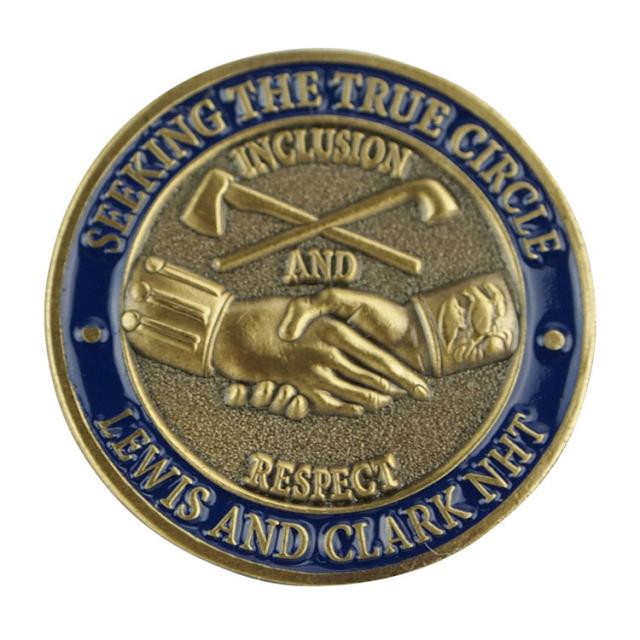
The Headquarters and Visitor Center for the Lewis and Clark National Historic Trail sits right in downtown Omaha. Perched on the banks of the Missouri River, this fantastic museum and visitor center can serve your launchpad for one of America's greatest adventure stories.
This is the ancestral homeland of the Omaha people, and the site commemorates a landscape once roamed by bison and shaped by a wide, wild river. Drop in to nerd out with park rangers on explorer history, chart your own route along the epic 4,900-mile trail, and soak up the layered Indigenous and expedition history that shaped the American West. Think of it less as a museum, and more as jumping off point to adventure.

Whether you're a history nerd, a nature lover, or just looking for your next big road trip itinerary, this place delivers. Catch a ranger program or lose yourself in interactive exhibits and films that bring the Corps of Discovery to life in vivid Technicolor. Summer speaker series and “Ranger on Board” Riverboat Cruises on the Missouri help create a truly immersive learning experience—perfect for families and multigenerational groups meandering through.
Need gear for the road? Riverfront Books, operated by Western National Parks, stocks historic titles, informational maps, fun postcards, and assorted sundries to fuel the journey. Before you leave, be sure to walk the 3,000-foot Bob Kerrey Pedestrian Bridge, which straddles Nebraska and Iowa above the mighty Missouri River. Then, wander the Interpretive Garden, where native plants and wildlife signage reminds you just how wild this land once was.
Plan ahead
Keep the following in mind when planning your visit to Lewis and Clark National Historic Trail so that you can make the most of your experience while there.
Extend your stay
If you have the time, tack on a few extra days. This trail is extensive.
Practice water safety
With many water sites, always practice water safety, including life jackets.
Respect wildlife
Do not touch wildlife. You can contact park staff via a hotline if you see an animal in distress.
Stay updated
Check with NPS for alerts. Remember to check weather conditions and alerts at nps.gov.
1 of
Extend your trip
Due to the trail’s extensive 4,900-mile size, it’s best explored via a few days on the road, stopping off at key sites and recreation areas to stretch your legs, take a deep breath, and try to picture the vast expanse of the Great Plains, without modern day townships and pavement bisecting them.
We’ve created a handy 6-day road trip itinerary and guide to the Lewis and Clark National Historic Trail, with Omaha, Nebraska sitting pretty right at its center. It starts in Kansas City and winds its way around the mighty Missouri River until completing in Nebraska’s beloved Ponca State Park, where the expedition traded for critical supplies with the Ponca People. This trip can easily be shortened or extended to explore more of this dynamic landscape and trail, but here’s the skinny on some of our favorite stops.
Pictures of Lewis and Clark National Historic Trail
A picture is worth a thousand words! Get inspired as you plan your trip.


1 of

This itinerary begins in Kansas City to set the scene, where travelers can hike in Kaw Point Park, where the Missouri River meets the Kaw, then pushes north through Weston Bend State Park for big river views and dinner in historic downtown St. Joseph.





By day three or four, you're in Omaha. Stop into the official Trail Headquarters, set right on the riverfront, for the full 4,900-mile Corps of Discovery story, then head to the stunning Durham Museum (set inside a gorgeous art deco train station) to see how Lewis and Clark's journey shaped the region that became the American heartland. End the night in the cobblestoned Old Market District, one of Omaha’s most beloved downtown neighborhoods, where you’ll find excellent contemporary American cuisine. Cap off the night with some live music at Harney Street Tavern or Mr. Toad’s.

Day 5 is where Nebraska really starts to shine, at Indian Cave State Park, a wild 3,000-acre site that showcases a huge sandstone cavern. Hike it, bike it, or simply sit back and enjoy the natural splendor. Continue north to Sioux City's Lewis & Clark Interpretive Center before a peaceful sunset along the verdant riverfront. On your final day, pay respects at the Sergeant Floyd Monument, then explore the ancient wetlands and woods of Ponca State Park.
Check out these nearby historic sites
If you’re motoring around the Midwest on an intrepid road trip this season, it’s not far to these other fascinating Western National Parks partner sites, each of which is sure to pique the interest of the history buffs in your group.

Brown v. Board of Education National Historical Park
Some places don't just teach history, they fully immerse you in it. The Brown v. Board of Education National Historical Park in Topeka, Kansas, is one of them. Housed in the former Monroe Elementary School, this is where thirteen brave parents took on a broken system and won, all the way to the Supreme Court. Walk the classrooms, watch the film, and talk to a ranger. Then sit with what it all means.

Nicodemus National Historic Site
Out on the windswept plains of northwestern Kansas sits a place that rewrites everything you thought you knew about the American West. Nicodemus National Historic Site is the oldest surviving Black settlement west of the Mississippi and was founded in 1877 by formerly enslaved people bold enough to chase freedom into the unknown. The story of freed black settlers helping to populate the Great Plains is an often overlooked segment of our nation’s history. If you can, try to time your visit for the town’s annual Emancipation Celebration, which takes place each summer.

Fort Scott National Historic Site
Fort Scott National Historic Site, in southeastern Kansas, showcases the dynamic history of a place where settlers, soldiers, and abolitionists shaped the course of American history and manifest destiny. Active from 1842 to 1853, this remarkably preserved 19th-century frontier fort witnessed promises made and broken, from Westward Expansion and the violent clash of pro- and anti-slavery factions during Bleeding Kansas, to serving as a Union supply base in the Civil War. Travelers here can explore at their own pace, walking the parade grounds, visiting the on-site museum, exploring the restored buildings, or catching a living history demonstration, which might showcase anything from blacksmithing to musket drills!
No matter how you celebrate America’s 250th this year, we hope you take time to witness the incredible historic places and parks that make this country so spectacular.


