


How can you connect with cultural heritage on the trail?

National park sites are more than just beautiful places. They preserve vibrant cultural sites and help us connect with the cultures, stories, and traditions that existed long before they were designated as parks. These hiking trails highlight Indigenous, African American, Hispanic, and Asian American heritage. Be sure to visit with respect, as many of these places are on the current and ancestral homelands of Indigenous peoples.
You can find each of these routes on AllTrails, WNP’s official outdoor exploration partner. Contact the park visitor center ahead of time to learn more about trail conditions, closures, special visitation guidelines, and park programming that will enhance your experience.
Find your way with AllTrails


Casa Grande Ruins Great House and Compound
This .25-mile hiking trail at Casa Grande Ruins National Monument takes you around the Great House and includes a self-guided tour.
Built by the ancestral Sonoran Desert peoples in what is today known as Arizona, the Great House at Casa Grande is one of the largest structures of its kind ever created. People lived and thrived in this desert valley, creating farms and hundreds of miles of irrigation canals. The O’odham, Hopi, Zuni, and other Tribal Nations trace their ancestry back to these peoples and this land. It is estimated that the Great House and surrounding communities were inhabited from 1350 to 1450. Later, Juan Bautista de Anza would visit this place on his expedition to California.

Montezuma Castle Cliff Dwelling Trail
This short, accessible .3-mile hiking trail at Montezuma Castle National Monument provides views of the cliff dwelling, which has over 20 rooms. Today, at least 16 Tribal Nations maintain active cultural ties to this important place.
Constructed by the ancestral Puebloans, this cliff dwelling is one of the best preserved in North America. It is estimated that this structure was in use from 1100 to 1425. Hundreds of years later, European settlers gave the dwelling the name “Montezuma Castle,” after the notable Aztec leader. This name is a misnomer, as the structure is not Aztec in origin. If you want to learn more about the area’s cultural heritage, visit nearby Tuzigoot National Monument, which preserves a thousand-year-old pueblo built by the same people.

Island Trail at Walnut Canyon National Monument
Hike the 1-mile Island Trail at Walnut Canyon National Monument and see 25 cliff dwellings up close. These structures were built and used between 1100 and 1250. Many Indigenous peoples continue to hold this place sacred today. To see more of the landscapes and connect with the heritage of this area, pay a visit to Sunset Crater Volcano National Monument and Wupatki National Monument, within a 30-minute drive from Walnut Canyon.

Gila Cliff Dwellings Trail
High in New Mexico’s mountains near the headwaters of the Gila River are over forty cliff dwellings, built and inhabited from 1275 to the early 1300s by the Southern Ancestral Puebloan peoples. This 1-mile hiking trail allows you to experience these special sites up close.
The term “Mogollon” is sometimes used to refer to the people who built these structures—but this name was given to them by archaeologists and is not a term that is used by their descendants. These structures remain important to many Indigenous peoples today, who maintain active ties to the monument. If you are looking for even more to do, Gila Cliff Dwellings National Monument is surrounded by the Gila National Forest and Wilderness, and offers plenty of hiking trails, opportunities for backpacking, and even hot springs to swim in.

Piedras Marcadas Canyon Trail at Petroglyph National Monument
The 1.8-mile loop Piedras Marcadas Canyon Trail at Petroglyph National Monument is an opportunity to see hundreds of petroglyphs up close. Petroglyphs are images carved into a rock surface. They are not rock art, picture writing, or attempts to capture the natural world. Instead, they are important cultural symbols that hold immense cultural and spiritual significance.
While petroglyphs can be found throughout the Southwest, this Albuquerque park is one of the most awe-inspiring areas to see them. Petroglyph National Monument protects an estimated 24,000 of these images, the vast majority of which are believed to have been created by the ancestors of today’s Pueblo people some 400 to 700 years ago. Many Indigenous peoples continue to hold traditional ceremonies at this special place or maintain active cultural ties to the area.

Pueblo Loop Trail at Bandelier National Monument
The 1.4-mile Pueblo Loop Trail at Bandelier National Monument takes you through and past several ancestral Puebloan structures. Among the many buildings you can find here include cavates—or dwellings built into the cliffsides—kivas, and large pueblos including Tyuonyi, Talus House, and the Long House. These structures were inhabited between 1150 and 1600. Over 20 Tribal Nations maintain cultural ties to this area of New Mexico.
If you are looking for even more to experience, Bandelier National Monument has miles of hiking trails through canyons and mountains and is worth several days of exploring.

Pueblo Alto Trail at Chaco Culture National Historical Park
The 5.5-mile Pueblo Alto Trail takes you through the heart of Chaco Culture National Historical Park. It includes views of Kin Kletso, Pueblo Bonito, and Chetro Ketl, and you can hike through Pueblo Alto and New Alto.
This New Mexico park has been designated a UNESCO World Heritage Site due to the cultural significance of the many buildings found here. An important cultural center for the ancestral Puebloans from 900 to 1150, this place continues to be spiritually and culturally significant for over 20 Tribal Nations. Many of the buildings at Chaco are also aligned with the cycles of the sun and moon. The many sites preserved here include several great houses, kivas, and a solstice marker (the latter of which is not open to the public at this time).

Spider Rock at sunset, Canyon de Chelly National Monument, Arizona.
Spider Rock Viewpoint at Canyon de Chelly
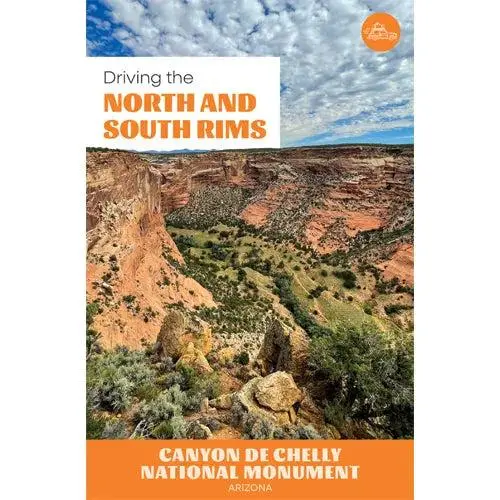
This short, paved walk to a viewpoint from the scenic drive at Canyon de Chelly National Monument provides stunning views of the canyon, including Spider Rock, one of the canyon's most notable landmarks and a place held sacred in Diné tradition.
Canyon de Chelly (pronounced "shay") is on the lands of the Navajo Nation in Arizona. Chelly comes from the Diné for the region, Tséyi', which translates to "deep in the rock" or "within the rock." Hundreds of cultural sites are protected within the canyon, where people have lived for over 5,000 years. In order to protect these special places, many of the hikes within the canyon have special visitation rules. Contact the park visitor center for additional details.


Mission San José to Mission Concepción along the River Walk at San Antonio Missions National Historical Park
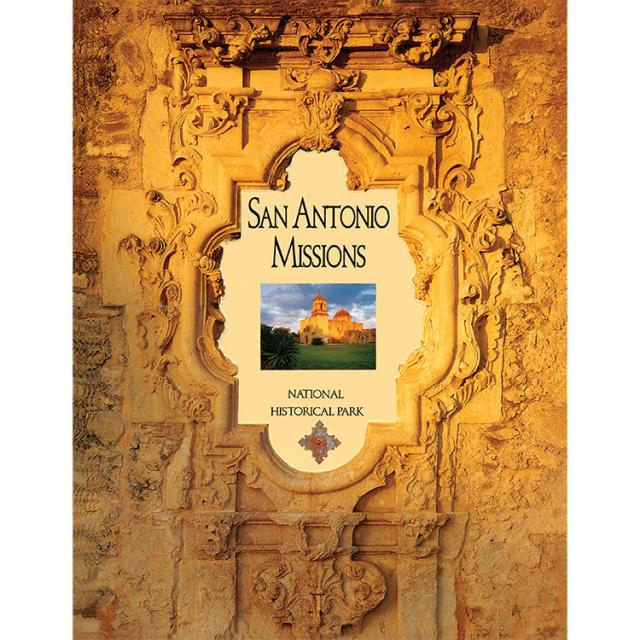
This 6.6-mile route along the San Antonio River Walk takes you to two Spanish missions. Mission San José and Mission Concepción are part of the most complete and intact Spanish Colonial mission complex in the world. They, along with San Antonio Missions National Historical Park’s other two missions, are part of a UNESCO World Heritage Site and are active parishes today.
Although the missions were established along the banks of the river beginning in the late 1600s by Spanish missionaries, Indigenous peoples have lived here since time immemorial. This national park tells the stories of the interweaving of these cultures in the context of colonization, and how the establishment of the churches impacted the lives of those who lived here, past and present.

Walking Tour at Tumacácori National Historical Park
This 1-mile hike takes you throughout the grounds of Tumacácori National Historical Park. You can listen to an audio tour as you learn about the buildings and what took place here.
For centuries, the O'odham, Yaqui, and Apache peoples lived in this river valley, when in 1691 the first mission was established here by Father Eusebio Kino, a Jesuit priest. Franciscans would later be assigned to the missions here after the Jesuits were expelled from New Spain. The stories preserved here reflect on both conflict and collaboration, and this place continues to be important to many communities today. A wide variety of traditions and cultural celebrations continue to be observed at this Arizona park each year.

Abó Mission Loop at Salinas Pueblo Missions National Monument
This .75-mile loop in the park’s Abó district takes you around a pueblo and mission and includes several interpretive exhibits along the way. The Pueblo people and their ancestors have lived in this area for centuries and built several pueblos in this area. In 1622, the first of three Spanish mission complexes were established here by Franciscan missionaries. Each of Salinas Pueblo Missions National Monument’s districts has unique features and is worth a visit.

Ancestral Sites Trail at Pecos National Historical Park
Hike the 1.25-mile Ancestral Sites Trail at Pecos National Historical Park, which takes you to two cultural sites, Cicuye (Pecos) Pueblo, built by the ancestral Puebloans, and a Spanish mission church. This valley has a storied and complex history and has been inhabited for at least 13,000 years. In addition to Indigenous and Hispanic heritage sites, the park preserves sites and structures from the Civil War, the Santa Fe Trail era, and the 1920s. To learn more, you can hike this trail with a ranger as part of a guided tour.
Stories of remembrance and resilience
These hikes take you through parks that connect you with these often lesser-known but important stories. Visit with respect and do your research into these histories ahead of time. Many cultures maintain active ties to these places, which serve as places of remembrance and testimonials to the resilience of those who persevered, survived, and thrived in the face of such difficult circumstances.

Chinese Arch at Golden Spike National Historical Park
This 2-mile hike at Golden Spike National Historical Park goes to a natural limestone arch, named in honor of the Chinese immigrants who endured harsh working conditions and anti-immigrant sentiment as they constructed the first transcontinental railroad. This major feat of engineering vastly transformed lives and cultures across the United States. The park protects the site where the Central Pacific Railroad and Union Pacific Railroad were joined on May 10, 1869. You can learn more about the history of the railroad and its many stories through other hikes at this historic site in Utah.
Find this route on AllTrails

Deep Ravine Trail at Little Bighorn Battlefield National Monument
The .5-mile out and back Deep Ravine Trail marks the place where, during the Battle of the Little Bighorn, a charge was initiated by approximately 20 young Lakota and Cheyenne warriors who had vowed to fight for their ways of life. The marked graves of both Indigenous warriors and US Army soldiers are found along this hiking trail, along with waysides describing the solemn events that took place here.
This Montana park preserves the battlefield where on June 25 and 26, 1876, the Lakota, Cheyenne, and Arapaho people fought against a deliberate attack by the US Army's 7th Cavalry, led by Lt. Col. George Custer. Today Little Bighorn Battlefield is a place of remembrance and memorials. Many Indigenous communities commemorate the events that occurred here and continue to honor those who perished fighting to preserve their culture.

Washita Battlefield Park Trail at Washita Battlefield National Historic Site
This 1.5-mile self-guided trail winds around the battlefield and includes wayside markers describing the events that took place here. It also offers beautiful views of the grasslands that the Cheyenne, Arapaho, and other Indigenous peoples call home. This Oklahoma park preserves the site where, on November 27, 1868, Lt. Col. George Armstrong Custer led the 7th US Cavalry on a surprise dawn attack on a Cheyenne village led by Peace Chief Black Kettle. This tragic event, which resulted in the deaths of Chief Black Kettle and many others, was part of the broader conflicts between Tribal Nations and the US government during Westward Expansion.
Today, this memorial is a place of remembrance and reflection, and the Cheyenne and Arapaho, among many other Indigenous peoples, continue to commemorate this painful event and honor those who died. Washita Battlefield's trails, visitor center, and educational programming offer opportunities to deepen your experience.

Nature Trail on Trail of Tears National Historic Trail
This .7-mile trail in Trail of Tears State Park is one of several that serves as a memorial for those who perished on the Trail of Tears. The Trail of Tears National Historic Trail winds over 5,000 miles across the United States, preserving the route of a treacherous journey, where thousands of lives were lost. In 1830, the passage of the Indian Removal Act allowed President Andrew Jackson to forcibly remove hundreds of thousands of Native Americans from their homelands. As a result of this policy, the Cherokee, Chickasaw, Choctaw, Muscogee, and Seminole Nations were exiled from their homelands and forced to march thousands of miles West to present-day Oklahoma, without adequate, food, shelter, or medical care. It is estimated that at least 10,000 lost their lives during this tragic forced journey; nearly one in four Cherokee, the largest of the tribes removed, perished. The trail memorializes this tragic journey and is also a testament to the incredible resilience and endurance of these people and their descendants, who survived in the face of such unimaginable hardship.

Walking Tour at Nicodemus National Historic Site
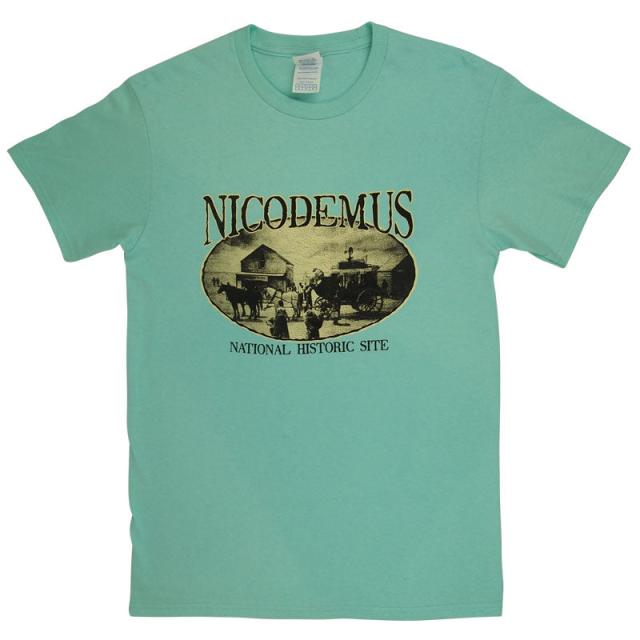
This 1-mile walking and driving tour includes stops at several of the buildings preserved at Nicodemus National Historic Site, including the historic Township Hall.
This Kansas park protects the oldest and only remaining African American settlement established west of the Mississippi River. Created during the Reconstruction era after the Civil War, this town was a place of hope and importance for formerly enslaved African Americans who sought to create new lives for themselves. This place continues to be of significance for the many descendants of the original founders and community members, who gather each year in a joyous Homecoming celebration, commemorating the town and those who lived here, and celebrating emancipation.
These hikes through cultural heritage sites are just a small handful of the many places across the West that hold significance to the diverse communities that make up America today. Visit our Discover our Parks page to find even more parks to add to your list.
By Nikki Stavile


